 Khushi RawatUpdated 14 Sep 2026 12:19 PM IST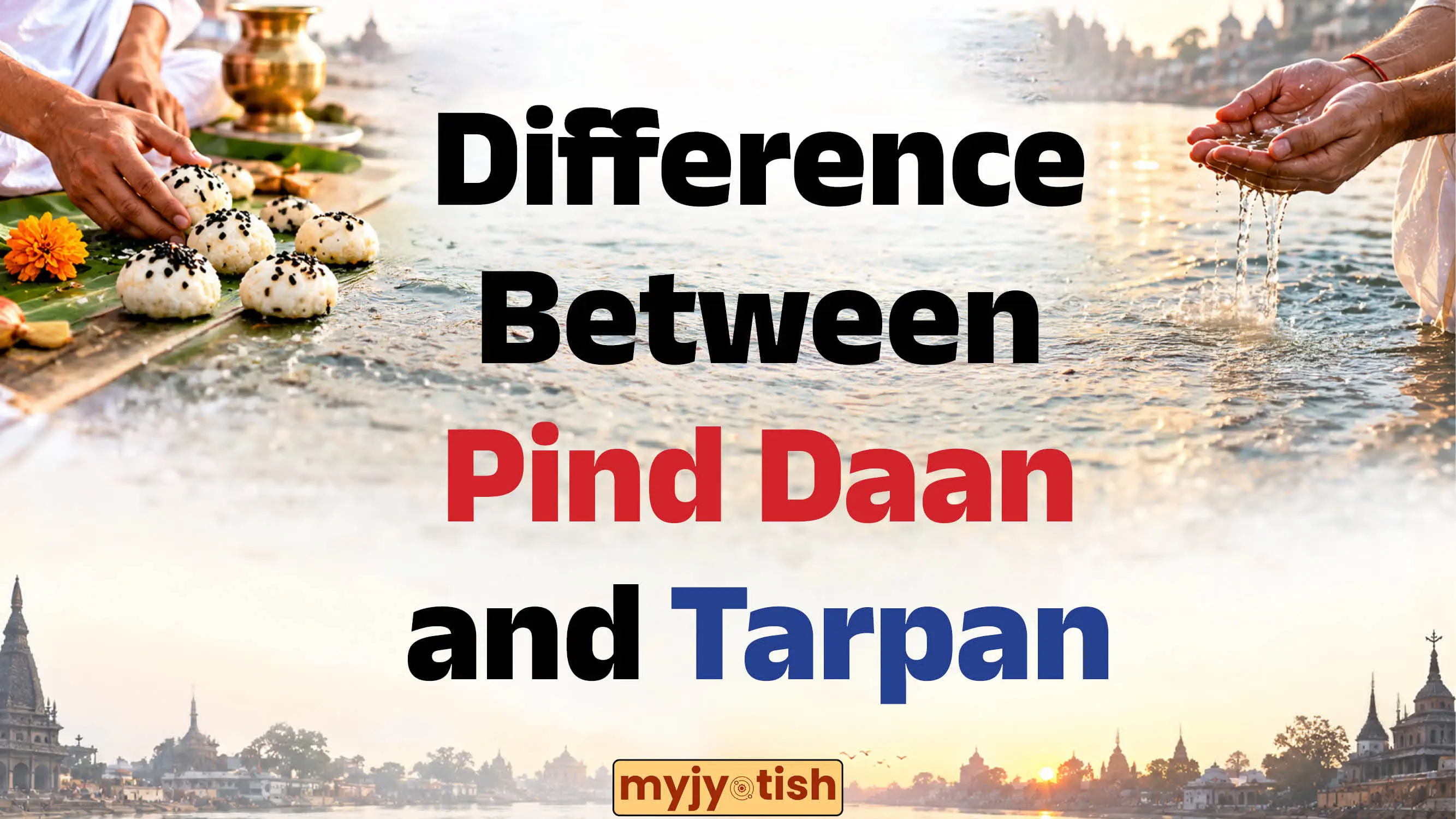
Difference Between Pind Daan and Tarpan: What is the difference between Pind Daan and Tarpan? Here, we will tell you their religious significance.
The Pitru Paksha period is dedicated to ancestors. During this period, there is a tradition of performing Pind Daan and Tarpan to please ancestors, seek their blessings, and free them from ancestral sins. Those who often mistake Pind Daan and Tarpan for the same thing or use the two terms as the same, but the scriptures describe significant differences in the method, ingredients, and religious purpose of these two rituals. Here, we will tell you the difference between Pind Daan and Tarpan.
The word "Tarpan" means "to satisfy." As drinking water quenches the thirst of a person, similarly, the souls of ancestors are satisfied through Tarpan.
Pure water, Gangajal, raw milk, black sesame seeds, and Kusha grass in a copper vessel.
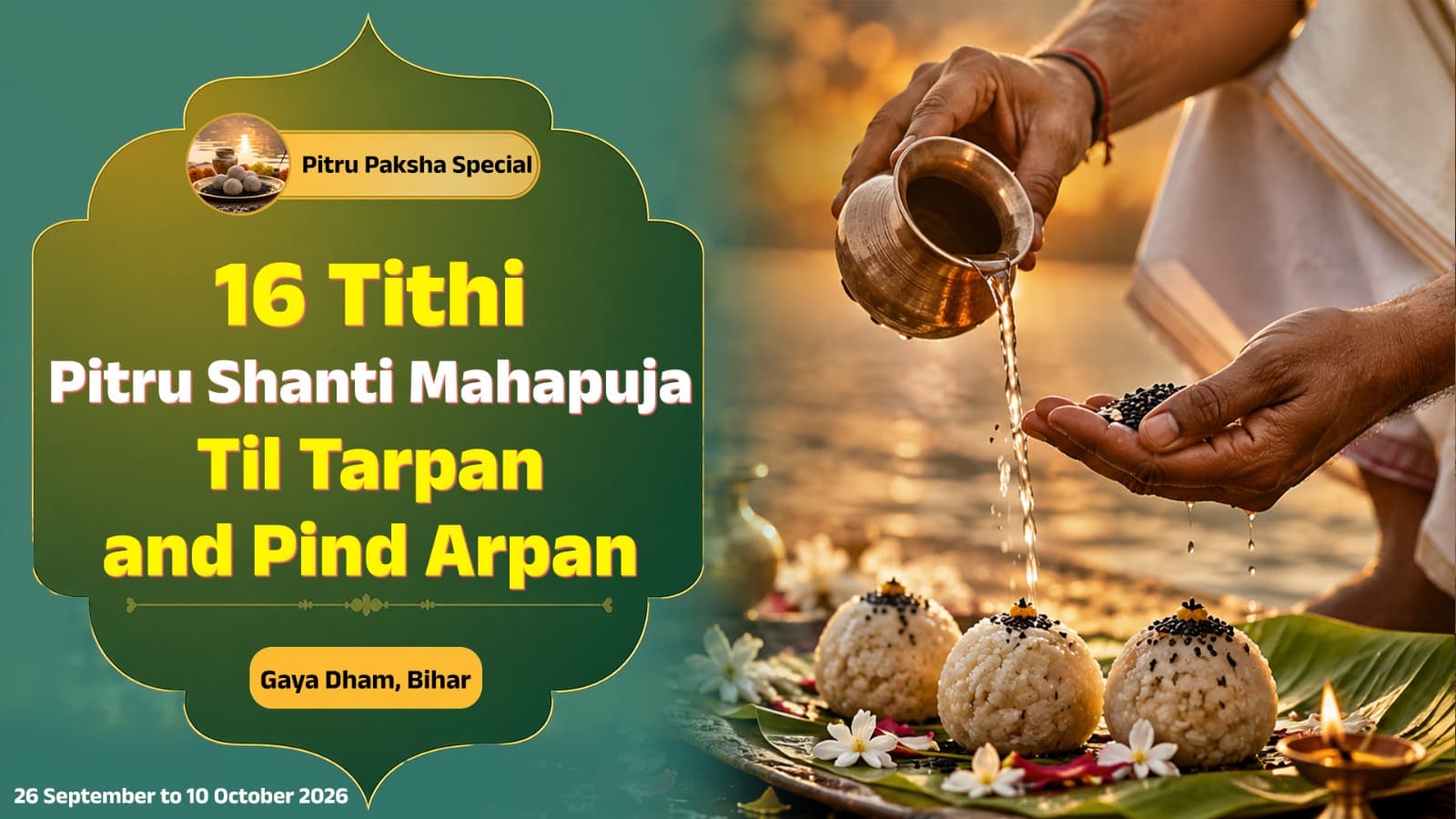
Take water and black sesame seeds in the palm of your hand and pour it between your thumb and index finger. Tarpan is offered not only to the ancestors but also to satisfy the gods, sages, and all creatures of nature.
Tarpan can be performed every morning after bathing or during the afternoon, during the Kutup period. No priest is required to perform the Tarpan, and the person can perform it themselves, facing south.
Pind Daan is made up of two words, Pind and Daan. When a person dies, their body decays, but their soul continues to live in its subtle form. The soul needs energy to travel to the ancestral world, satisfy their hunger and thirst, and attain salvation. Pinds made of cooked rice, barley flour, sesame seeds, and ghee are offered to the ancestors with mantras; the process is known as Pind Daan.
Round balls are made by mixing barley flour, cooked rice, sesame seeds, ghee, honey, milk, and milk-based mawa.
Pinds are placed on Kusha grass while chanting mantras and offered to the ancestors after invoking them with rituals. Pind Daan is performed to feed dissatisfied ancestors, grant them salvation, and free them from the ghost world.
Pind Daan is a special ritual. This ritual should always be performed by a knowledgeable priest. It is considered favorable to perform Pind Daan at the Pishach Mukti Kund in Gaya, Kashi, or on the banks of a holy river.
Connect with India's best astrologers



 My Jyotish
 My Jyotish
 My Jyotish