
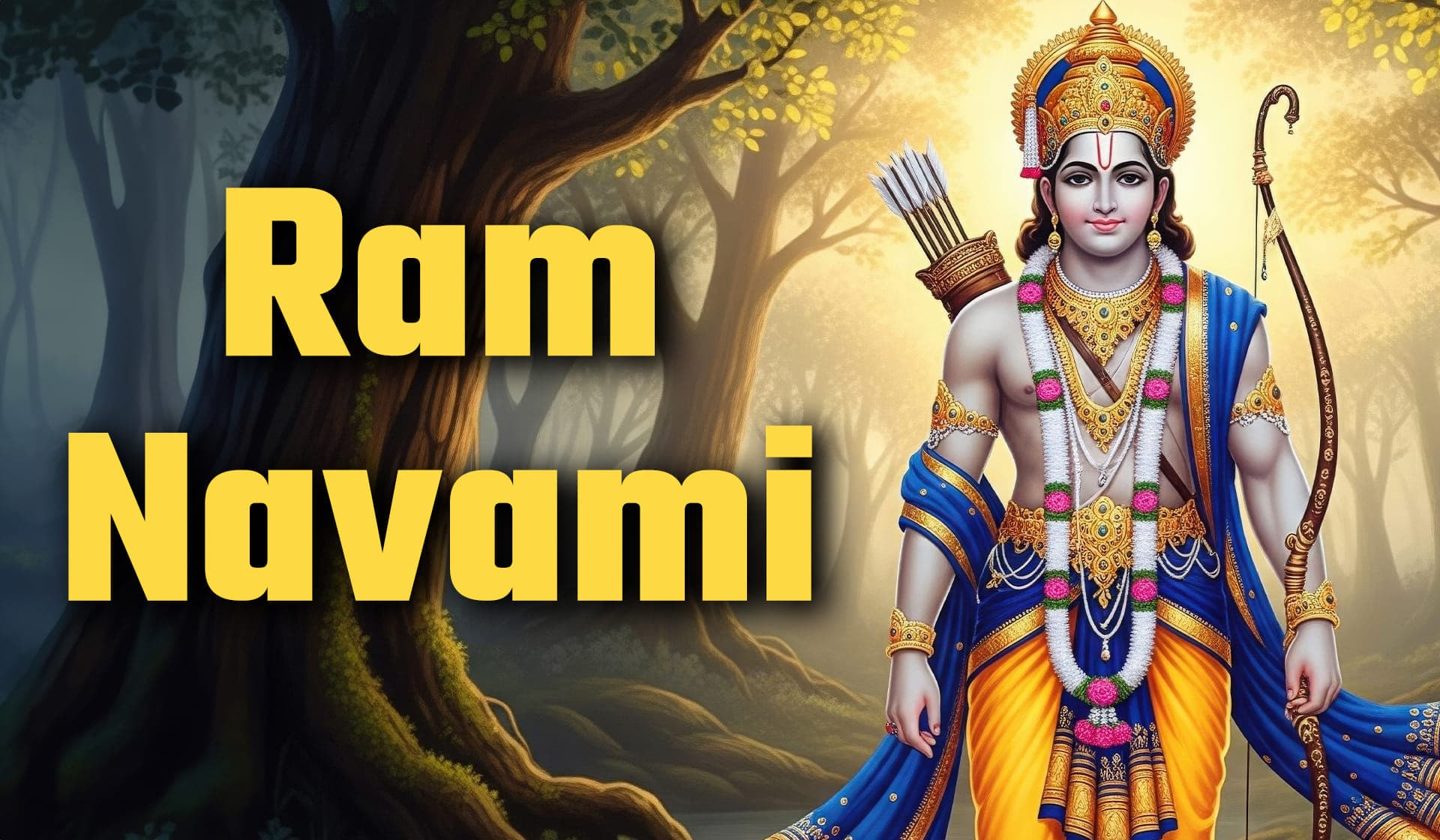
Ram Navami – Birth of Lord Rama
Ram Navami 2026 Date and Ram Janm Muhurat
In 2026, Ram Navami will be celebrated on Thursday, 26 March 2026. This sacred Hindu festival marks the birth anniversary of Lord Rama, who is considered an incarnation of Lord Vishnu. Devotees across India observe the day with fasting, prayers, temple visits, and recitation of sacred texts like the Ramayana.
The festival falls on the ninth day (Navami) of the Chaitra month during the Shukla Paksha according to the Hindu Panchang. This day also marks the final day of Chaitra Navratri, making it spiritually significant for devotees.
Ram Navami Date: March 26, 2026
| Ram Janam Muhurat | 11:13 AM – 1:41 PM (IST) |
| Exact Madhyahna Moment | 12:27 PM |
| Navami Tithi Begins | 26 March 2026 at 11:48 AM |
| Navami Tithi Ends | 27 March 2026 at 10:26 AM |
| Abhijit Muhurat | 12:02 PM to 12:51 PM |
The most auspicious time for worship is called the Ram Janma Muhurat or Madhyahna Muhurat, which represents the believed birth time of Lord Rama. During this period, devotees perform the main Ram Navami puja, offer prayers, chant mantras, and conduct special rituals to celebrate the divine birth of Lord Rama.
According to Hindu tradition, the festival is observed on the day when Navami Tithi coincides with the midday period, which is why the main celebration takes place on 26 March 2026.
On this auspicious day, devotees decorate temples and homes, perform Ram Janmotsav rituals, sing bhajans, read the Ramayana, and offer prasad to Lord Rama while seeking blessings for peace, prosperity, and righteousness.
What is Ram Navami? Meaning and Spiritual Importance
Ram Navami is an important Hindu festival that celebrates the birth of Lord Rama. According to Hindu tradition, Lord Rama is considered the seventh incarnation of Lord Vishnu, who came to Earth to defeat evil and restore righteousness. The festival usually falls on the ninth day (Navami) of the Chaitra month in the Hindu lunar calendar, which generally occurs in March or April.
The story of Lord Rama and his life is described in the ancient epic Ramayana. In this sacred text, Rama is portrayed as the ideal son, a devoted husband to Sita, a loyal brother to Lakshmana, Bharata, and Shatrughna and a just ruler. His life teaches important values such as truth, duty, compassion, and respect for others.
The spiritual importance of Ram Navami lies in remembering and following the ideals demonstrated by Lord Rama. Devotees believe that by praying on this day, they can seek blessings for peace, happiness, and a righteous life. Many people observe fasting, chant the name of Lord Rama, and listen to readings from the Ramayana.
The concept of Ramrajya, which represents a society based on justice, equality, and moral values, is also closely associated with Lord Rama’s rule. His reign is often remembered as a time when people lived in harmony and fairness.
On Ram Navami, temples and homes are decorated, and special prayers are performed. Devotees sing devotional songs, recite sacred mantras, and perform aarti to honor Lord Rama. In many places, the birth of Lord Rama is symbolically celebrated at noon, which is believed to be the exact time of his birth.
Overall, Ram Navami is not only a celebration of Lord Rama’s birth but also a reminder of the importance of living a life based on truth, righteousness, and devotion.
Ram Navami Katha - The Story of Lord Rama’s Birth
The story of Lord Rama’s birth, known as the Ram Navami Katha, is an important part of the Hindu epic Ramayana. This sacred story explains how Lord Rama was born to restore righteousness and defeat evil in the world.
Long ago, the kingdom of Ayodhya was ruled by the wise and powerful king King Dasharatha. Although he had great wealth, a prosperous kingdom, and loyal people, the king was unhappy because he did not have any children to continue his lineage.
Seeking a solution, King Dasharatha consulted his royal sages and priests. On their advice, he performed a sacred ritual known as the Putrakameshti Yagna to pray for a child. During the ritual, a divine being appeared from the sacred fire and offered a bowl of holy sweet pudding called payasam or kheer to the king. The sage instructed him to distribute this blessed offering among his queens.
King Dasharatha shared the sacred payasam or kheer with his three queens - Queen Kaushalya, Queen Kaikeyi, and Queen Sumitra. After some time, the queens gave birth to four sons. Queen Kaushalya gave birth to Lord Rama, Queen Kaikeyi gave birth to Bharata, and Queen Sumitra gave birth to twins Lakshmana and Shatrughna.
Lord Rama was born on the ninth day (Navami) of the bright half of the lunar month of Chaitra. According to tradition, his birth took place at midday, which is why devotees celebrate this moment with special prayers and rituals during the Ram Janma Muhurat on Ram Navami.
Hindus believe that Lord Rama is the seventh incarnation of Lord Vishnu, who took human form to destroy the demon king Ravana and restore balance in the world. As he grew up, Rama became known for his courage, honesty, humility, and strong sense of duty.
The story of Lord Rama’s birth reminds devotees that good always triumphs over evil. On Ram Navami, people remember these values and pray to follow the path of truth, righteousness, and compassion in their own lives.
Why Is Ram Navami Celebrated?
- Celebrates the birth of Lord Rama - The festival marks the birth anniversary of Lord Rama, who is believed to be the seventh incarnation of Lord Vishnu.
- Victory of good over evil - Lord Rama was born to defeat the demon king Ravana and restore righteousness and balance in the world.
- To honor the ideals of Lord Rama - Devotees celebrate this day to remember the values taught by Rama such as truth, duty, compassion, honesty, and respect for others.
- Commemorates the story of the Ramayana - The festival reminds people of the teachings and events described in the sacred epic Ramayana.
- Promotes the concept of Ramrajya - Lord Rama’s rule is considered the perfect model of governance where justice, peace, and equality prevailed.
- A day for spiritual devotion - Devotees observe fasting, perform special prayers, chant the name of Lord Rama, and read the Ramayana to seek blessings and inner peace.
- Part of Chaitra Navratri celebrations - Ram Navami falls on the final day of Chaitra Navratri, making it an especially sacred day for worship.
- Strengthens faith and cultural traditions - The festival brings families and communities together through temple visits, devotional singing, and religious processions dedicated to Lord Rama.
How to Perform Ram Navami at Home: Step-by-Step Puja Vidhi
Celebrating Ram Navami at home is a simple yet meaningful way to honor Lord Rama and seek his blessings. Devotees usually perform the puja around midday, which is believed to be the time of Lord Rama’s birth. The ritual includes preparation, the main Ram Janma puja, and worship of children as a symbol of purity and divinity.
1. Puja Preparation
Before beginning the puja, it is important to prepare the space and gather the necessary items.
- Clean the house and especially the area where the puja will be performed. A clean and peaceful environment is considered auspicious.
- Place an idol or picture of Lord Rama along with Sita, Lakshmana, and Hanuman on a wooden platform or chowki.
- Cover the platform with a clean yellow or red cloth.
- Decorate the area with flowers, mango leaves, or rangoli to create a festive atmosphere.
- Gather essential puja items such as a diya, incense sticks, camphor, flowers, fruits, tulsi leaves, kumkum, haldi, chandan, panchamrit, and prasad.
- Take a bath and wear clean clothes before starting the puja. Devotees often observe a fast on this day to maintain spiritual discipline.
2. Ram Navami Puja Procedure
The main puja is performed during the sacred time believed to be the birth moment of Lord Rama.
- Start the puja by praying to Lord Ganesha to remove obstacles from the ritual.
- Sit calmly and meditate for a few moments, focusing on Lord Rama and his virtues.
- Invoke Lord Rama by folding your hands and offering prayers.
- Light a diya and incense sticks in front of the idol or picture.
- Offer water, flowers, tulsi leaves, fruits, and sweets to the deity.
- Apply chandan, haldi, and kumkum to the idol as a mark of respect.
- Recite sacred texts or prayers from the Ramayana or chant mantras dedicated to Lord Rama.
- Sing devotional songs or bhajans praising Lord Rama.
- At midday, symbolically celebrate the birth of Lord Rama by ringing bells, singing aarti, and offering prasad.
- Conclude the ritual by performing aarti and distributing prasad among family members.
3. Kanya Pujan or Child Worship
In some traditions, devotees also perform Kanya Puja or child worship on Ram Navami.
- Young girls or children are invited to the home and treated with respect, as they are believed to represent divine purity.
- Their feet washed as a sign of honor and humility.
- Devotees offer them prasad, fruits, sweets, and small gifts.
- The children are then served prasad, usually Puri, Chana, and Halwa and blessed before they leave.
This practice symbolizes respect for innocence, kindness, and the divine presence in every living being. It also reflects the values of compassion and generosity associated with the teachings of Lord Rama.
Ram Navami Fasting Rules
On Ram Navami, many devotees observe a fast to express their devotion to Lord Rama. Fasting on this day is believed to purify the mind and body while helping devotees focus on prayer and spiritual reflection.
Most people begin the fast early in the morning after taking a bath and making a simple prayer to Lord Rama. Some devotees keep a nirjala fast, which means they do not consume food or water until the puja is completed. However, many people follow a lighter fast where they eat satvik foods such as fruits, milk, nuts, and vrat-friendly dishes during the day.
Devotees usually avoid regular grains, onion, garlic, and non-vegetarian food while fasting. Instead, they consume foods made with ingredients like sabudana (tapioca pearls), singhara flour, buckwheat flour, potatoes, fruits, and dairy products. The focus of the fast is not just on food restrictions but also on maintaining a calm and positive mindset.
People spend the day chanting the name of Lord Rama, reading or listening to the Ramayana, and visiting temples. The fast is usually broken after performing the evening puja or after the ceremonial birth time of Lord Rama, which is believed to be around noon. After the puja, devotees consume prasad such as panchamrit, fruits, and simple satvik meals.
Ram Navami Aarti, Mantras and Bhajans
Devotional singing and chanting are an important part of the celebrations of Ram Navami. Devotees gather in homes and temples to sing aarti, recite mantras, and perform bhajans dedicated to Lord Rama.
One of the most commonly sung aartis is “Aarti Shri Ramayan Ji Ki”, which praises the greatness of Lord Rama and the teachings found in the Ramayana. During the aarti, devotees light a lamp and move it in a circular motion in front of the idol or picture of Lord Rama while singing the prayer with devotion.
Chanting mantras is also believed to bring peace and spiritual strength. A widely recited mantra is:
“Shri Ram Jai Ram Jai Jai Ram.”
Another sacred chant is:
“Om Shri Ramaya Namah.”
Repeating these mantras helps devotees concentrate their minds and feel closer to the divine.
Bhajans dedicated to Lord Rama are also sung throughout the day. Popular devotional songs include “Raghupati Raghav Raja Ram”, which highlights the virtues of truth and righteousness taught by Lord Rama. Singing bhajans together creates a joyful and spiritual atmosphere during the festival. Many temples organize special kirtans and devotional gatherings where people sing and listen to stories from the Ramayana.
Major Places to Celebrate Ram Navami in India
Ram Navami is celebrated across India, but some places are especially famous for their grand festivities and spiritual significance.
- Ayodhya: One of the most important locations is Ayodhya. According to tradition, this sacred city is the birthplace of Lord Rama. During Ram Navami, thousands of devotees gather here to visit the Ram Janmabhoomi. The city is beautifully decorated, and special prayers, processions, and devotional programs are held throughout the day.
- Bhadrachalam: Another popular place to celebrate the festival is Bhadrachalam, home to the famous Sri Sita Ramachandra Swamy Temple. Here, the festival is marked by the ceremonial wedding of Lord Rama and Maa Sita, which attracts thousands of devotees every year.
- Rameswaram: Rameswaram is another sacred destination. According to legend, this is where Lord Rama built the bridge to Lanka before the battle described in the Ramayana. Devotees visit the Ramanathaswamy Temple and participate in special prayers during the festival.
- Varanasi: In addition, the holy city of Varanasi celebrates Ram Navami with great devotion. Temples organize recitations of the Ramayana, bhajan programs, and colorful processions through the streets.
These sacred places attract large numbers of devotees every year, making Ram Navami a vibrant and spiritually uplifting celebration across India.


