
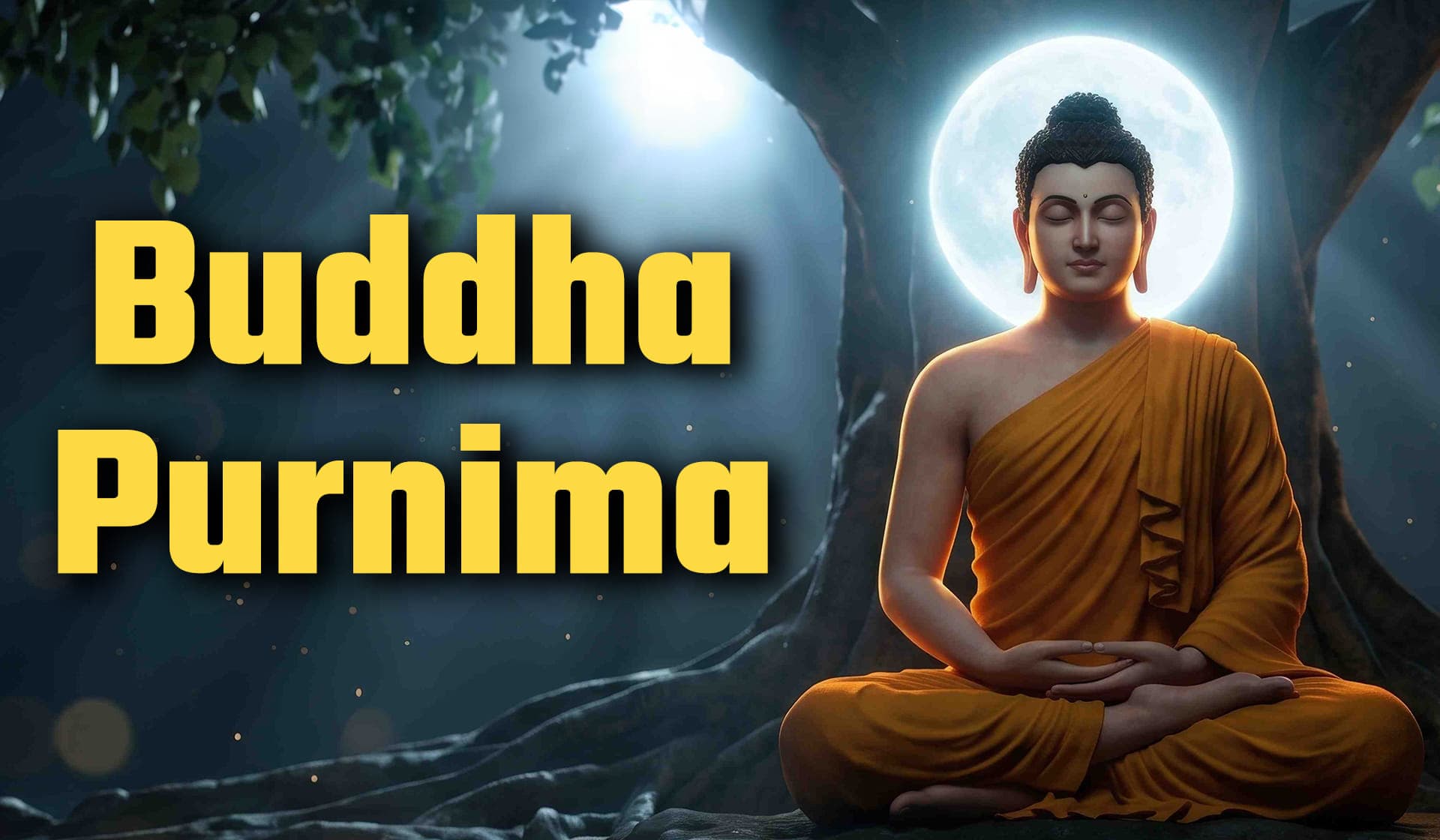
Buddha Purnima - Date, Significance & Lord Buddha Birth
What is Buddha Purnima?
Buddha Purnima, also celebrated as Vesak or Buddha Jayanti, is the most significant day in the Buddhist calendar. Unlike many festivals that celebrated a single event, this day commemorates a “Triple Anniversary” - the birth of Prince Siddhartha Gautam in Lumbini, his attainment of supreme enlightenment (Nirvana) in Bodhgaya, and his final transition into Parinirvana (death) in Kushinagar.
This day is a global call for peace, reminding humanity that the seeds of awakening reside within every individual.
Buddha Purnima Festival Date, Time, Muhurat & Tithi 2026, 2027, 2028
The festival is observed on the full moon day of the Vaisakha month. Because it follows the lunar calendar, the date shifts annually.
| Year | Date of Observation | Day | Tithi & Auspicious Time |
|---|---|---|---|
| 2026 | May 1 | Friday | Purnima Tithi Begins: April 30, 09:12 PM Purnima Tithi Ends: May 1, 10:52 PM |
| 2027 | May 20 | Thursday | Full Moon Phase: Spans from the late evening of May 19 through the night of May 20. |
| 2028 | May 8 | Monday | Full Moon Phase: Begins in the early hours of May 8, concluding late at night. |
Important Milestones in Early Buddhism
To understand Buddha Purnima, one must look at the milestones that shaped this global philosophy:
- At age 29, Siddhartha left his palace, his wife Yashodhara, and his son Rahula to find the solution to human suffering (Dukkha).
- After nearly starving himself through extreme asceticism, he realized that neither luxury nor self-torture led to wisdom. He discovered the "Middle Path."
- The "Turning of the Wheel of Law" occurred at Sarnath, where he shared his realizations with his first five disciples.
- Through the efforts of monks and the patronage of rulers like King Ashoka, the message of peace traveled across the Silk Road and into the hearts of millions across Asia.
History of Buddha Purnima
While followers have celebrated the Buddha’s life for millennia, the formal international recognition of “Vesak” was established in 1950 during the first conference of the “World Fellowship of Buddhists” held in Sri Lanka, it was later recognized by the United Nations as a day of global peace and cultural significance.
The Meaning of ‘Buddha’ and His Divine Names
The word “Buddha” translates to “The Awakened One” - one who has fully woken up from the sleep of ignorance. He is also known by many divine names:
- Siddhartha - One who has fulfilled his life’s purpose.
- Shakyamuni - The silent sage of the Shakya clan.
- Tathagata - One who has “thus come” or “thus gone” beyond worldly dualities.
- Loka-Natha - The lord of the world.
How is Buddha Purnima Celebrated?
The day is marked by a profound sense of serenity.
- Devotees often go to temples and monasteries to pray and offer flowers, incense, candles, and respect to the idol of Buddha.
- The day emphasizes inner peace and awareness. People participate in meditation sessions or quietly reflect at home, following Buddha’s teachings on mindfulness.
- Many try to practice Buddhist principles such as non-violence, honesty, ethical behavior, avoiding theft, and staying away from intoxicants.
- Wearing plain white clothing represents purity, peace, and a simple way of life.
- Helping others is considered important. People donate food, clothes, or money and offer alms to monks and those in need.
- Homes and surroundings are decorated with candles and lamps, symbolizing wisdom and enlightenment. In some traditions, lanterns are also displayed.
- Many avoid non-vegetarian food. Preparing and sharing dishes like kheer is common, inspired by the story of Sujata feeding Siddhartha.
- Devotees gather to read scriptures or listen to discourses based on Buddhist teachings.
- Releasing birds or animals is sometimes done as a symbolic act of kindness and freedom, reflecting compassion for all living beings.
- The occasion is a time to think about the teachings and significance of the Three Jewels - Buddha, Dharma, and Sangha.
What Should We Do on Buddha Purnima Offerings and Donations?
Offerings and Ritual Practices
- Devotees present items such as flowers, particularly Lotus, incense sticks, fruits, and candles at the shrine as symbols of purity, devotion, and thankfulness.
- A meaningful ceremony involves gently pouring water or sweet tea over a Buddha statue, representing the cleansing of one’s body and mind.
- Lighting a ghee lamp or lantern at home signifies the removal of ignorance and the awakening of wisdom.
- Chanting or reading sacred texts like the Dhammapada helps devotees reflect on and connect with Buddha’s teachings.
- Presenting leaves or saplings of the Bodhi tree honors the place where Buddha attained enlightenment.
Donations
- Providing meals to monks, the poor, or monasteries is regarded as a highly virtuous and sacred act.
- Donating clothes, money, or daily essentials to underprivileged individuals is encouraged as a way to practice compassion.
- Giving useful items such as fans, water-filled earthen pots, or umbrellas especially during hot weather is considered a meritorious deed.
Buddha Purnima Festival Puja Vidhi
- Begin the day early by cleaning your surroundings, taking a bath, and wearing fresh white or traditional clothes.
- Set up a small puja space with an idol or picture of Lord Buddha, decorated with white flowers for a peaceful atmosphere.
- Place offerings such as fresh flowers, incense sticks, a lit diya, and kheer, before the Buddha.
- Light lamps represent wisdom and positively. Read or chant from Buddhist text like the Dhammapada or share stories from Buddha’s life.
- Spend some quiet time meditating, focusing on inner peace, compassion, and awareness.
- Practice generosity by donating food, clothes, or other essentials to those in need.
- End the ritual with prayers for peace and spiritual freedom, often accompanied by devotional songs or chants (vandan).
Buddha Purnima Puja Mantra
Chanting these sacred verses helps align the mind with the Buddha’s energy:
- "Buddham Sharanam Gacchami"
- "Dharmmam Sharanam Gacchami"
- "Sangham Sharanam Gacchami"
Buddha Purnima Vrat Katha
The legend tells of Prince Siddhartha, who was born into luxury but was moved by the sight of suffering. He realized that life is fleeting. On a full moon night, after years of asceticism, he sat under the Bodhi tree. Despite being tempted by the illusions of the demon Mara, he remained steadfast. As the sun rose on the Purnima of Vaisakha, his mind became clear as a crystal - he had found the Middle Way, the path to ending all suffering.
Important Teachings of Buddha And What are the 10 rules of Buddha?
Followers strive to observe these ten ethical guidelines to purify their consciousness:
- Non-Violence - Refrain from harming any living creature.
- Honesty - Do not take what is not given.
- Chastity - Avoid all forms of sensual misconduct.
- Right Speech - Avoid lying, gossiping, or harsh words.
- Sobriety - Abstain from intoxicants that cloud the mind.
- Simplicity in Food - Avoid eating at inappropriate times (after noon).
- Humility - Avoid worldly entertainment like dancing or singing.
- Modesty - Do not use perfumes, cosmetics, or ornaments.
- Detachment from Luxury - Avoid sitting or sleeping on high, luxurious beds.
- Non-attachment to Wealth - Refrain from the desire for gold, silver, or money.
Buddha Purnima Images and Symbols
- The Bodhi Tree - Represents the seat of enlightenment.
- The Dharma Wheel - Symbolizes the constant motion of the Buddha’s teachings.
- The Lotus Flower - A metaphor for spiritual growth - rising from the mud to bloom in the Sun.
Happy Buddha Purnima Wishes
"May the light of the Buddha guide you toward the path of truth and compassion. Happy Buddha Purnima!"
"May your heart be filled with the tranquility that the Buddha taught. Wishing you a blessed Vesak."
"On this sacred day, let us vow to spread love and end hatred. Happy Buddha Jayanti!"
Significance of Lighting of Lamps and Candles
On this day, millions of lamps and candles are lit at sunset. This ritual is not merely decorative; it represents the Victory of Light over Darkness. Just as a lamp illuminates a dark room, the Buddha's wisdom illuminates the darkness of the human mind, destroying the shadows of greed, anger, and delusion. It is a reminder to each individual to be their own light (Atta Deepo Bhava).


